Myrtle Trace vs Lakeside Crossing: Which 55+ Fit Works Best?
55+ Communities Brendan D'Anna July 2, 2026
55+ Communities Brendan D'Anna July 2, 2026
Trying to choose between Myrtle Trace and Lakeside Crossing? On the surface, both are 55+ communities in Conway, and both appeal to buyers who want lower-maintenance living near the Grand Strand. But once you look closer at ownership, monthly costs, amenities, and day-to-day lifestyle, the better fit usually becomes much clearer. Let’s break it down.
If you compare only price tags, you can miss the most important part of this decision. Myrtle Trace and Lakeside Crossing are built on two different ownership models, and that affects both your monthly budget and your long-term expectations.
Myrtle Trace is a fee-simple community. That means you own the home and the land. Lakeside Crossing is a land-lease community, which means you own the home but lease the site it sits on.
That one difference shapes a lot of the buying experience. It affects what you are purchasing, how recurring costs work, and how you may think about value over time.
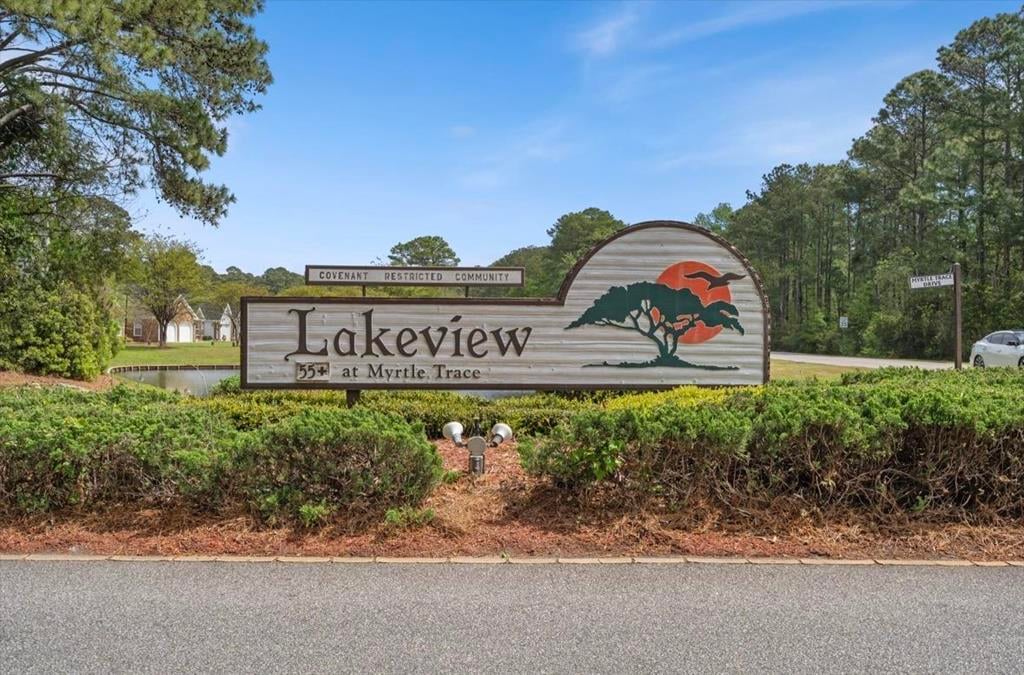
Myrtle Trace is a long-established 55+ community in Conway with 518 homes. It is made up primarily of single-family homes, along with a few townhouses, and it is considered a resale-only community.
The setting is one of its biggest draws. According to the HOA, the community was carved out of pine forest, includes fifteen small lakes, and more than 40 percent of the homes sit on a lake.
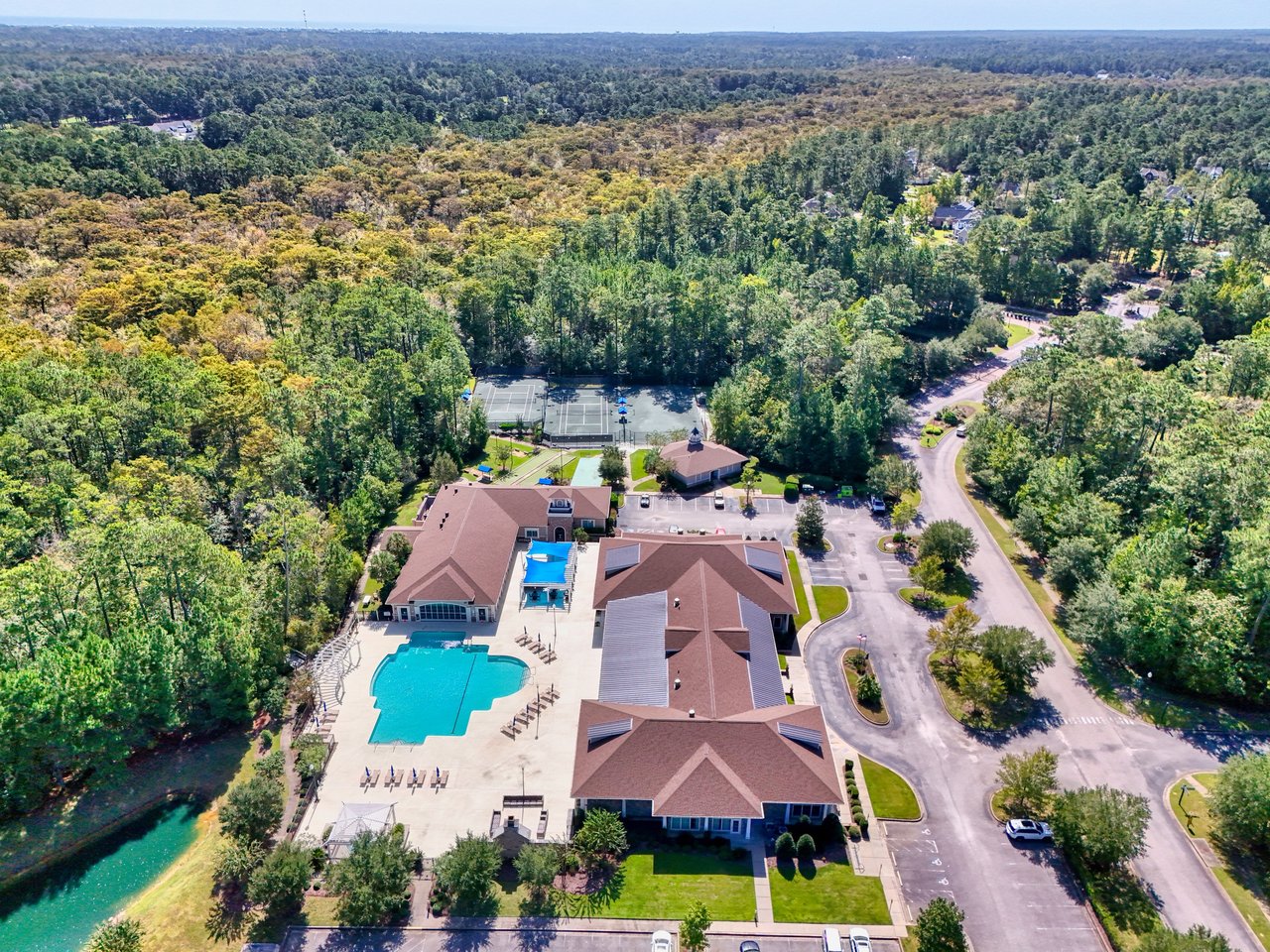
The lifestyle here leans more traditional and neighborhood-focused. Amenities and activities are supported through the HOA and volunteer committees, with features that include a pool, clubhouse, bocce, shuffleboard, horseshoe pits, roads, common areas, and lake maintenance.
Homes in Myrtle Trace are generally ranch-style residences. Homes in Myrtle Trace run ranch-style — typically 2 to 3 bedrooms, 2 to 2.5 baths, and an attached garage. If you have walked through a few of them, you notice quickly how practical the layouts are for one-level retirement living..
For many buyers, that means practical one-level living in an established setting. If you want a resale home on deeded land with a more classic HOA structure, Myrtle Trace often stands out.
That lower monthly community charge is one reason some buyers start here first. Still, it is important to look beyond dues and understand the rules and closing costs that come with the community.
Myrtle Trace has more explicit HOA restrictions than many standard subdivisions. The covenants include limits on driveway parking for trucks, campers, trailers, boats, RVs, and covered vehicles.
Exterior changes also require approval in many cases. That includes items like landscaping changes, fences, tree removal, and other exterior modifications.
If you like consistency and clear standards, that may feel reassuring. If you want more flexibility, you will want to read the covenants carefully before moving forward.
Lakeside Crossing is a larger 55+ active adult community in Conway with 692 homes. It is operated by Sun Communities and is known for its land-lease structure, manufactured homes, and broad amenity package.
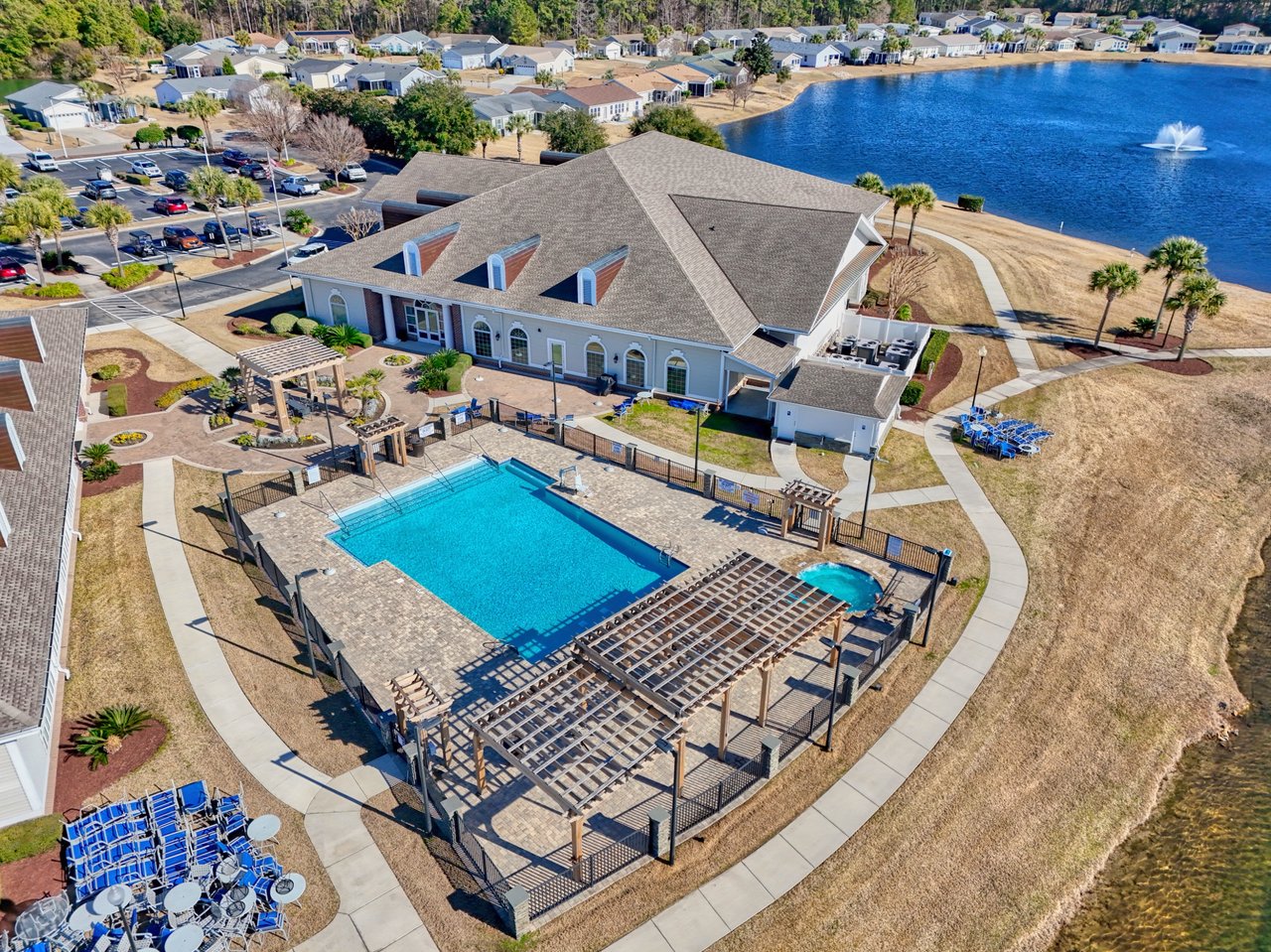
The feel here is more resort-style and lifestyle-programmed. Published community information highlights a clubhouse, fitness center, social events, pool, and a catch-and-release lake.
Additional sources also list an indoor lap pool, whirlpool spa, tennis courts, shuffleboard, aerobics and dance room, business center, restaurant, and spa. A lifestyle director is also part of the community experience.
Lakeside Crossing features manufactured homes, with current models including the Glen Eagle, Knollwood, Augusta, and Troon. These homes range from about 1,397 to 1,907 square feet and typically include 2 bedrooms, 2 baths, and one- or two-car garages.
For buyers who want a 55+ setting with strong amenities and a more active social calendar, this can be a compelling option. The home styles and overall structure are simply different from a deeded-lot neighborhood like Myrtle Trace.
Lakeside Crossing is operated by Sun Communities under a land-lease model, so there is no traditional HOA. Instead, residents pay a monthly site rent that as of August 2026 they start at $650 per month — confirm the current rate directly with Sun Communities before making an offer, as site rents are subject to annual adjustment.
That is only the starting point. Sun Communities notes that advertised home prices do not include site rent, and additional fees may apply depending on the community, including possible utility, trash, cable or internet, lawn care, pet, tax, or payment-processing charges.
This is why Lakeside Crossing buyers need to separate the home price from the true monthly carrying cost. A lower home purchase price does not always mean a lower monthly budget.
Here is the simplest way to compare them:
Category | Myrtle Trace | Lakeside Crossing |
|---|---|---|
Ownership | Fee-simple home and land ownership | Own the home, lease the site |
Community type | Established HOA community | Land-lease active adult community |
Home style | Primarily resale single-family homes | Manufactured homes |
Size | 518 homes | 692 homes |
Monthly community cost | $90 HOA dues | Land lease starts at $650 per month |
Extra closing or recurring costs | $100 certificate fee and $1,450 capital contribution at closing | Additional fees may apply beyond site rent |
Amenities | Pool, clubhouse, bocce, shuffleboard, horseshoes, lakes, common areas | Clubhouse, fitness center, pools, social events, tennis, spa, restaurant, lifestyle programming |
Rules | More defined HOA restrictions and approval requirements | Costs and lease terms are a key part of due diligence |
Location feel | More inland Conway-centered setting | Closer to Myrtle Beach and the ocean |
The better fit depends less on which community is “best” and more on how you want to live. These two communities can suit very different priorities.
Myrtle Trace is often the better fit if you want deeded land ownership and a more traditional neighborhood setup. It also appeals to buyers who prefer a smaller monthly HOA charge and an established resale-home environment.
You may also like Myrtle Trace if you value a quieter day-to-day feel built around volunteer committees and standard community amenities. Just be prepared for a more structured rules environment.
Lakeside Crossing is often the better fit if you want a broader amenity package and more built-in lifestyle programming. It also has the edge if being closer to Myrtle Beach and the Atlantic Ocean is high on your list.
This option can make sense for buyers who are comfortable with a land-lease structure and want to prioritize social activities, wellness spaces, and resort-style features. The key is understanding the full monthly cost before you decide.
Both communities are in Conway, but they offer different access patterns. Lakeside Crossing is marketed as being about 15 minutes from Myrtle Beach and the ocean, while also being minutes from downtown Conway and the riverwalk.
Myrtle Trace is described as about 30 minutes west of Myrtle Beach and close to Highways 701 and 501. In practical terms, Lakeside Crossing is the more beach-oriented choice, while Myrtle Trace feels more inland and Conway-centered.
For many relocation buyers, that difference matters more than expected. A short drive one way or the other can shape your weekly routine, from errands and dining to beach days and visiting guests.
Before choosing between these two communities, it helps to get very specific about your priorities. A side-by-side comparison usually works best when you focus on the details that will affect your everyday life.
Ask yourself:
These are the kinds of questions that can save you from choosing based on photos alone. They also help you narrow your search faster, especially if you are planning a move from out of state.
If you are seriously considering Myrtle Trace and Lakeside Crossing, the best next step is to compare them in person and on paper. That means looking at available homes, reviewing current fees, and matching each option to your budget and lifestyle goals.
It also helps to pay attention to how each community feels while you are there. The difference between deeded ownership and land lease, or between a volunteer-driven neighborhood and a lifestyle-programmed one, often becomes much more obvious when you walk the streets and tour the amenities.
I have shown buyers both communities, sometimes on the same day, and the ownership model question is almost always what shifts their thinking. It is not just a legal distinction — it changes how you budget, how you think about long-term value, and what your exit options look like if you ever want to sell.
If you want help sorting through the real differences between Myrtle Trace and Lakeside Crossing, Brendan Danna — a 55places.com Partner Agent who has helped buyers navigate 55+ communities throughout the Grand Strand — can walk you through both communities, compare current fees and available homes, and help you match each option to your actual budget and lifestyle. No pressure, just real answers
In Myrtle Trace, you own both the home and the land through fee-simple ownership. In Lakeside Crossing, you own the home but lease the site it sits on from Sun Communities. That distinction affects your monthly budget, your long-term equity position, and what happens if you want to sell.
Myrtle Trace HOA dues are $90 per month (verify current 2026 figure before publishing). Lakeside Crossing site rent starts at $650 per month, and additional fees may apply for utilities, trash, cable, lawn care, and other services. Always calculate your full monthly carrying cost before comparing the two on price alone.
Myrtle Trace is primarily made up of resale single-family ranch-style homes, with a few townhouses. Lakeside Crossing features manufactured homes in models that include the Glen Eagle, Knollwood, Augusta, and Troon, ranging from approximately 1,397 to 1,907 square feet.
Lakeside Crossing has the broader amenity package, including a fitness center, indoor and outdoor pools, whirlpool spa, tennis courts, aerobics and dance room, business center, restaurant, spa, and a lifestyle director. Myrtle Trace offers a pool, clubhouse, bocce, shuffleboard, horseshoes, and scenic lakes, with programming supported by volunteer committees.
Lakeside Crossing is approximately 15 minutes from Myrtle Beach and the Atlantic Ocean. Myrtle Trace sits near Highways 701 and 501 and is roughly 30 minutes west of Myrtle Beach. For buyers who want regular beach access, that difference can meaningfully shape day-to-day life.
Myrtle Trace has defined HOA restrictions and approval requirements covering parking, exterior changes, landscaping, fences, and tree removal. Buyers should review the covenants carefully before making an offer. Lakeside Crossing's key due diligence focus is understanding the full lease terms and all recurring costs beyond the base site rent.
Stay up to date on the latest real estate trends.
55+ Communities
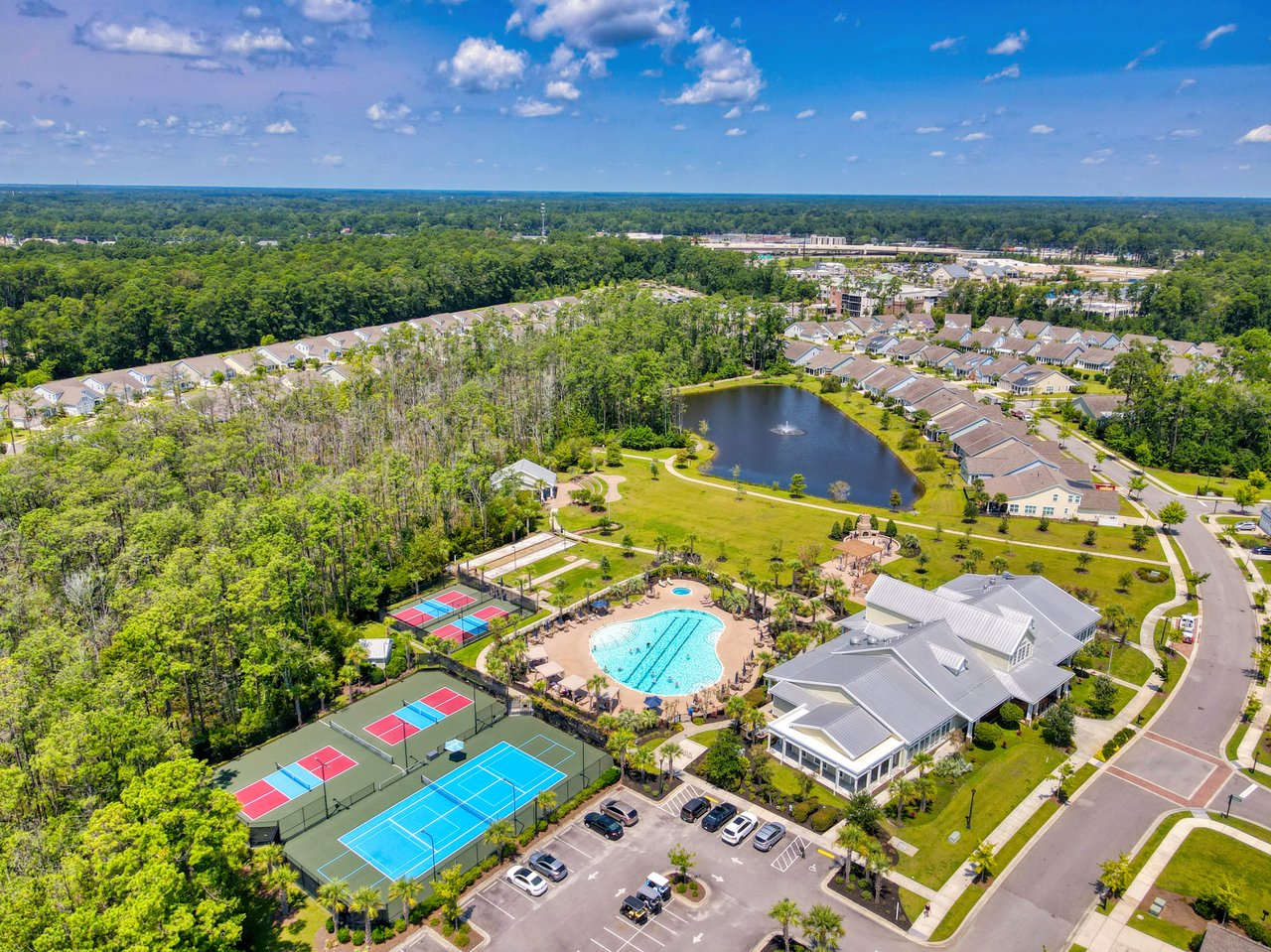
A walkable lifestyle, resort-style amenities, and Market Common right outside your door — here's what Cresswind actually looks and feels like on a daily basis.
55+ Communities
Two very different ownership models, two very different monthly costs — here is how to decide which Conway 55+ community actually fits your retirement.
Community Guides | Lifestyle | Relocation
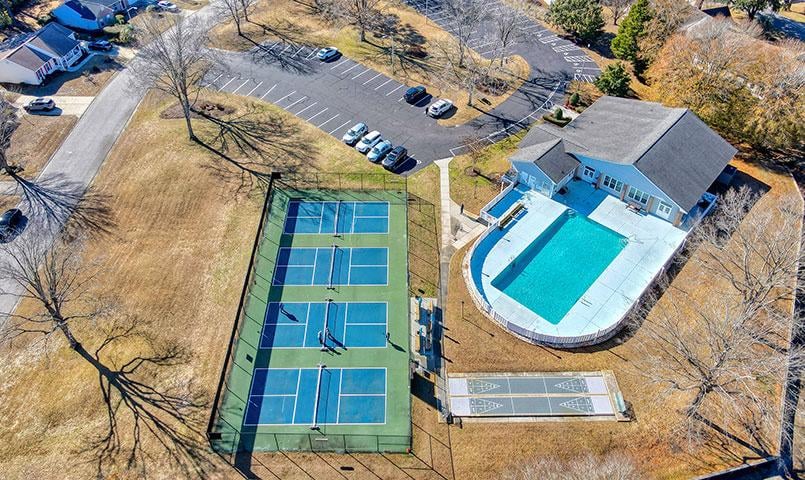
Low HOA fees, beach access, and resale pricing make this Murrells Inlet neighborhood one of the Grand Strand's smartest 55+ values
Get assistance on determining current property value, crafting a competitive offer, writing and negotiating a contract, and much more. Let me guide you through your home-buying journey.

ADDRESS 1297 Professional Dr Ste 201 Myrtle Beach SC 29577