Buying in Lakeside Crossing Conway: Key Questions to Ask
July 9, 2026
July 9, 2026
Buying in Lakeside Crossing can look simple at first glance. You see an attractive home price, a 55+ setting in Conway, and amenities that support an active lifestyle. But before you make an offer, you need to understand how ownership, monthly costs, and financing work here so you can compare the real numbers with confidence. Let’s dive in.
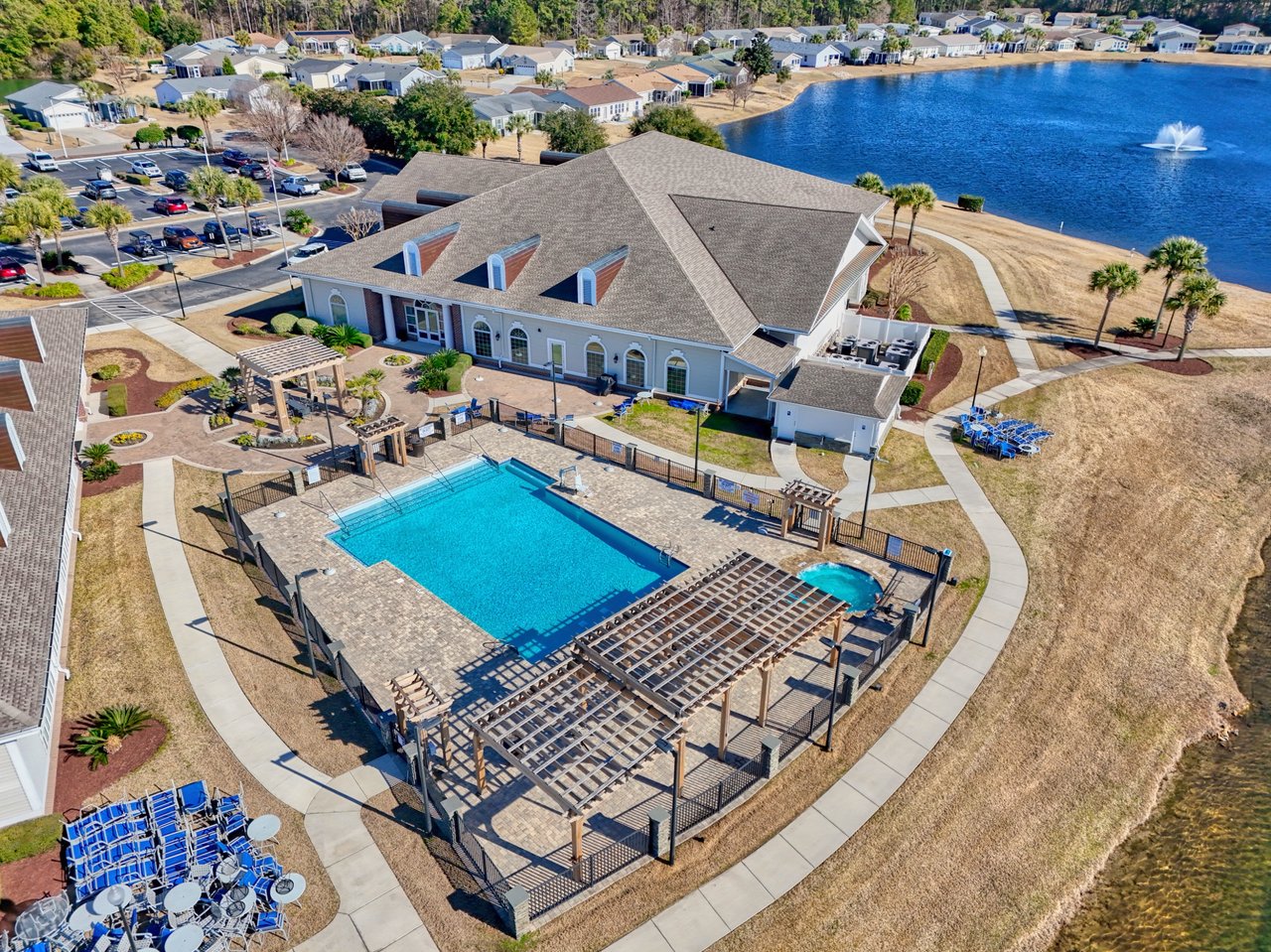
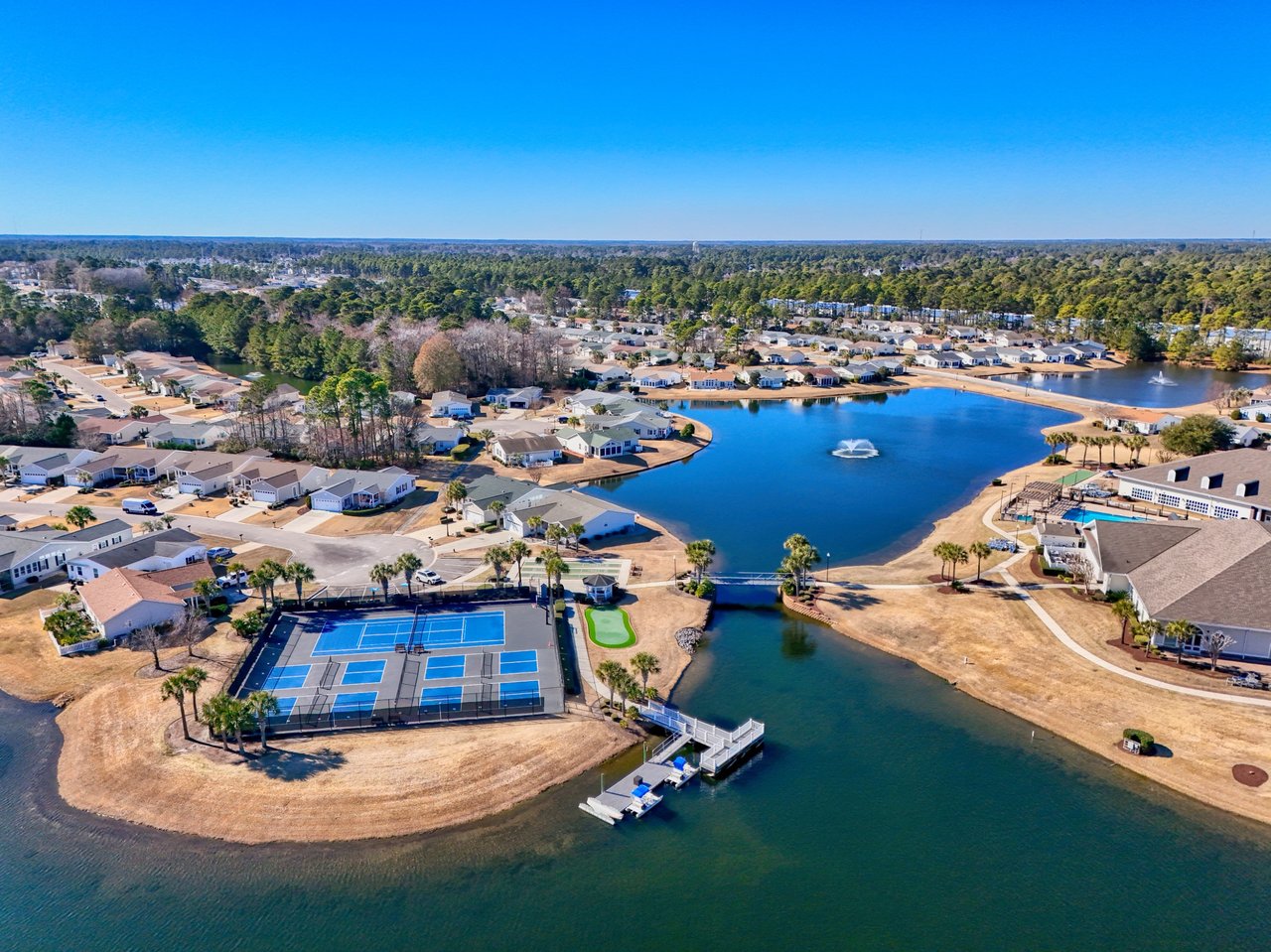
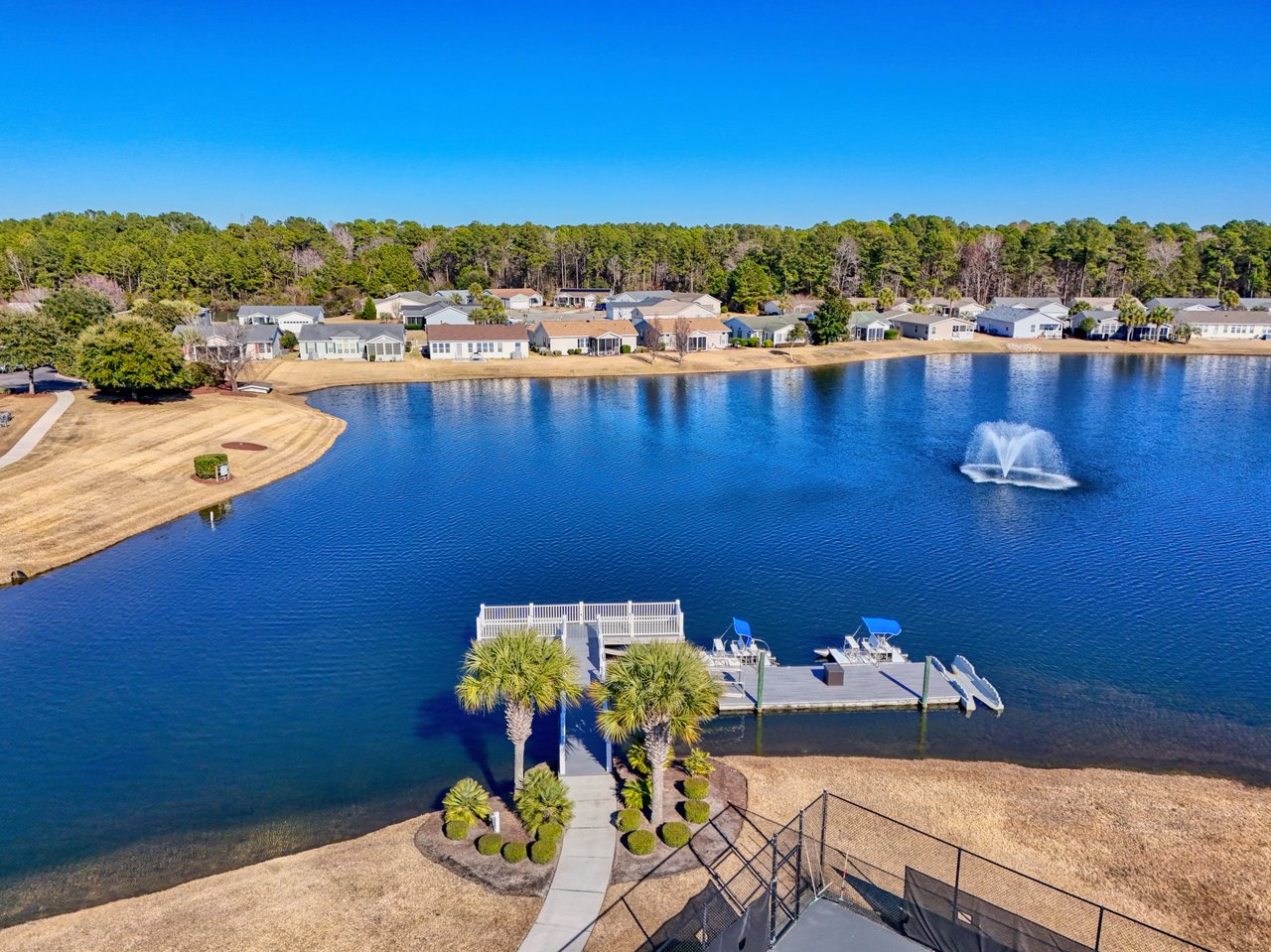
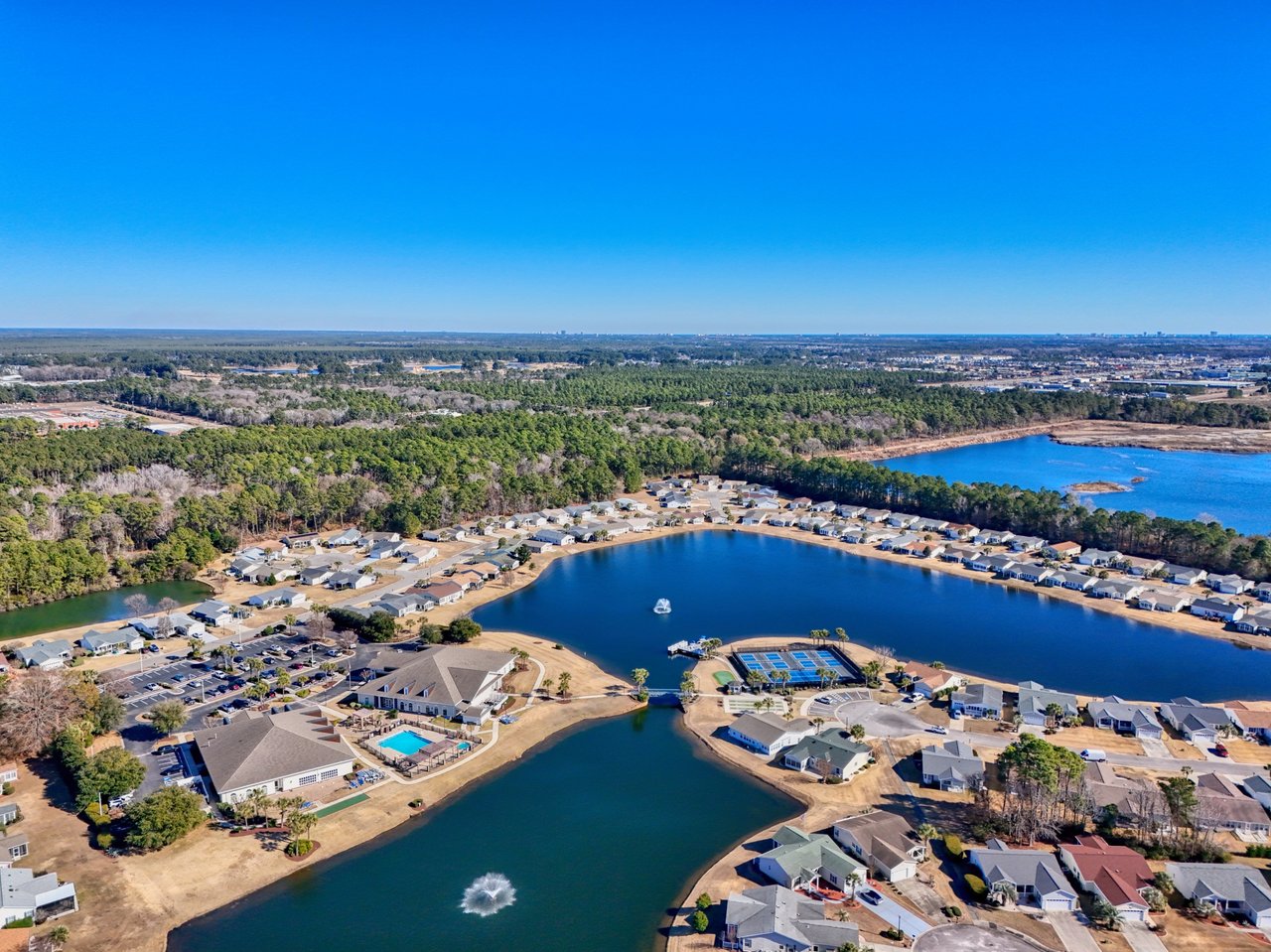
Lakeside Crossing is a 55+ manufactured-home community in Conway, about 15 minutes from Myrtle Beach and the Atlantic Ocean. The community advertises amenities like a swimming pool, clubhouse, fitness center, social events, and a catch-and-release lake. Its FAQ also mentions pickleball, shuffleboard, billiards, bingo, and craft clubs.
The most important detail is the ownership structure. In this type of community, you usually buy the home and lease the land underneath it. That means the home price and the monthly site rent are two separate parts of the deal.
If you are used to buying a traditional single-family home, this setup can feel different. In Lakeside Crossing, your purchase decision is not only about the home itself. You also need to review the lease terms for the lot where the home sits.
South Carolina has a Manufactured Home Park Tenancy Act that covers rental agreements on residential manufactured-home park lots. The law addresses written leases, rent, services, deposits, and resident-approval rules. In practical terms, that means the lease deserves just as much attention as the home inspection or the purchase price.
One of the biggest mistakes buyers can make is focusing too much on the advertised sales price. At Lakeside Crossing, the listed home price does not include site rent. Your actual monthly housing cost may be higher than expected if you do not ask for a full breakdown early.
According to Sun’s fee guidance, recurring costs can include more than base lot rent. Depending on the home and lease type, you may also see utility and trash fees, cable and internet charges, lawn care fees, pet fees, late fees, and taxes. Fees can vary, so it is smart to ask for everything in writing.
Before you move forward, request a fee sheet that clearly separates each charge. This gives you a better way to compare the true monthly cost of one home against another.
Ask for these items to be listed individually:
When you review these numbers up front, you are less likely to be surprised later.
In Lakeside Crossing, financing is often the biggest question. That is because a manufactured home in South Carolina can be treated as personal property or real property, depending on how it is titled and handled at closing.
South Carolina allows a homeowner to retire the title by filing a Manufactured Home Affidavit for Retirement of Title Certificate with the county register of deeds or clerk of court. Once that is done, the home is treated as real property. If the home will not be attached to real property, the South Carolina Department of Motor Vehicles says a new title is required.
The title status can shape which loan programs may work. A manufactured home titled as personal property generally uses a personal-property loan, often called a chattel loan. Some loan programs for manufactured housing also have rules tied to leased lots and lease terms.
For example, conventional manufactured-home financing purchased by Fannie Mae requires the home to be titled as real property. HUD’s Title I program can finance a manufactured home when the lot is leased, but it has lease-term requirements, including an initial lease term of three years and advance written notice rules if the lease is terminated.
This is why pre-approval matters so much in Lakeside Crossing. Before writing an offer, confirm that your lender is comfortable with the home’s title status, the lease structure, and any community approval requirements.
Another detail buyers sometimes miss is that purchasing the home does not automatically make you a resident. Under South Carolina law, a purchaser may not become a resident without the park owner’s approval. The law also says approval cannot be withheld unreasonably, and the owner has 15 days after a written application to respond.
That means you should learn the approval process early. If you are relocating from out of state, this step is especially important because timing can affect your closing plans.
If you are serious about buying in Lakeside Crossing, go beyond the listing photos and ask direct questions. The answers can help you understand both the home and the ongoing cost of living there.
Ask whether you can review the written lease and community rules before making an offer. Under South Carolina law, the agreement should state the lot, rent, due date, payment place, services and facilities, security deposits, service fees, installation charges, and restrictions on pets, occupants, and vehicle storage.
Also ask how future rent increases work. If the tenancy continues beyond the original term, South Carolina law says residents must receive at least 30 days’ notice of a new rental rate.
Ask what documents are needed for resident approval and how long the process usually takes. Since the owner has 15 days after the written application to respond, you will want to factor that into your timeline.
You should also ask what happens if the park is sold or if lot use changes. South Carolina law requires notice to residents if a park is sold and continues operating as a park.
Ask whether the home has HUD certification labels and a data plate, and whether it was built after June 15, 1976. HUD says homes built after that date must be certified to HUD standards.
You should also ask whether the home was installed by a licensed installer and whether the installation certificate is available. South Carolina’s installation rules require compliance with manufacturer instructions or federal installation standards, and the state uses an installation certification form signed by a licensed installer.
Not every lender handles manufactured homes the same way. A lender who is comfortable with one property may not approve another if the title or lease setup is different.
Here are smart questions to ask before you write an offer:
Being clear on these details can save time and reduce closing delays.
In a community like Lakeside Crossing, the key issue is usually not the location or the amenities. It is whether you fully understand the ownership structure, monthly fee stack, and financing path before you commit.
If those three pieces are clear, you can judge the home on its real cost and fit for your lifestyle. That is a much better approach than comparing homes by list price alone.
When you look at homes in Lakeside Crossing, try using a simple checklist. This can help you compare options with fewer surprises.
Review these points for each home:
This kind of side-by-side review can make your decision much easier, especially if you are moving from out of state and want to avoid last-minute issues.
If you want help comparing Lakeside Crossing with other 55+ options in Conway or the Grand Strand, Brendan Danna can help you sort through the costs, lifestyle fit, and next steps with a calm, no-pressure approach.
Stay up to date on the latest real estate trends.
55+ Communities
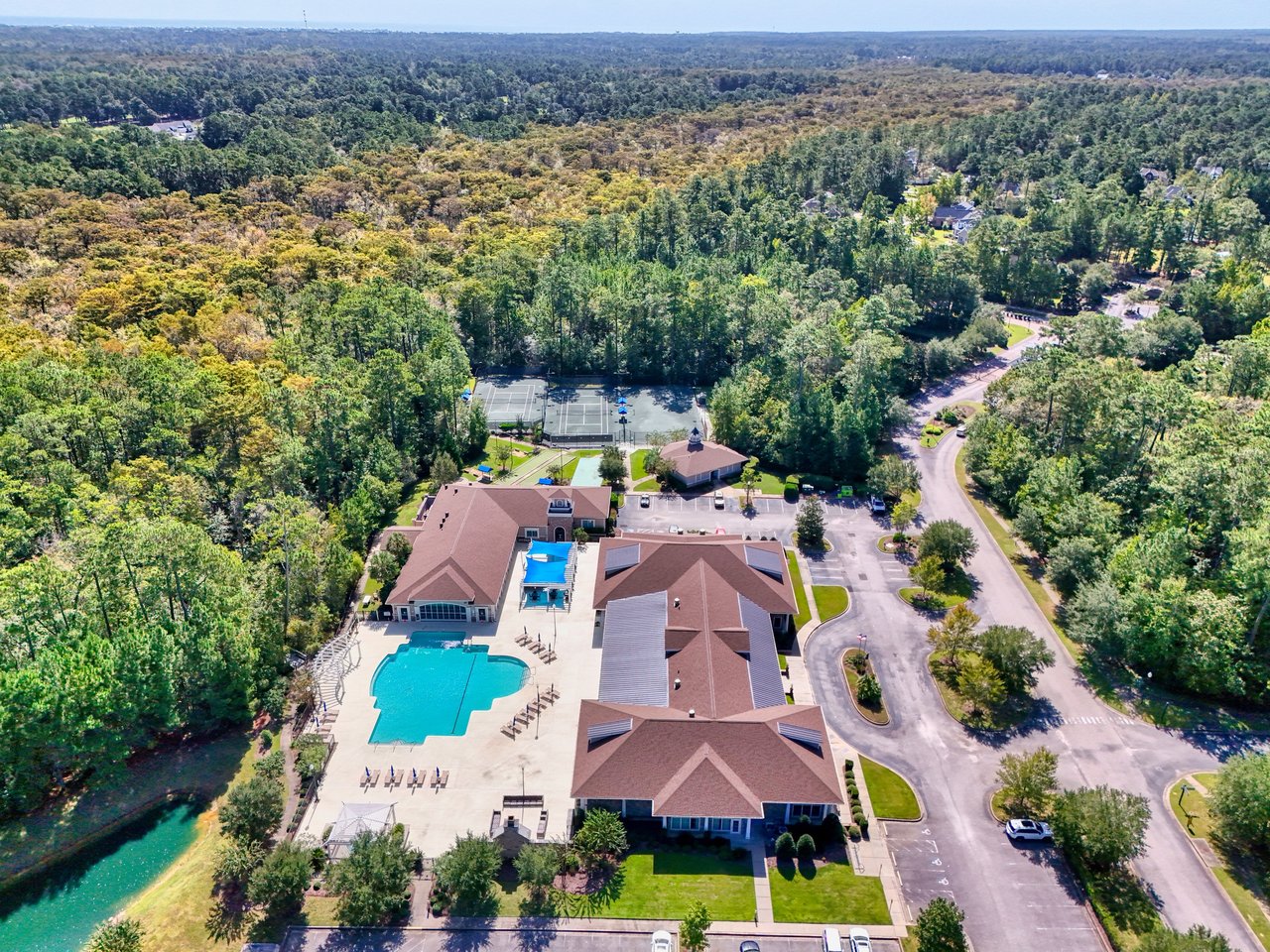
A walkable lifestyle, resort-style amenities, and Market Common right outside your door — here's what Cresswind actually looks and feels like on a daily basis.
55+ Communities
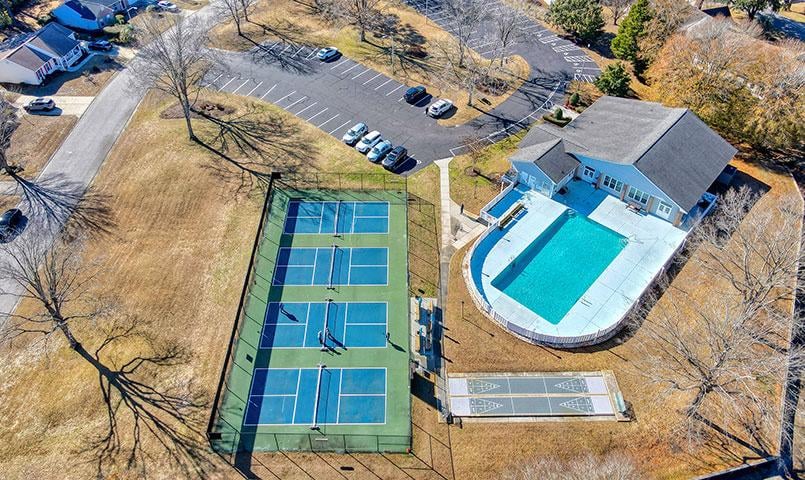
Two very different ownership models, two very different monthly costs — here is how to decide which Conway 55+ community actually fits your retirement.
Community Guides | Lifestyle | Relocation
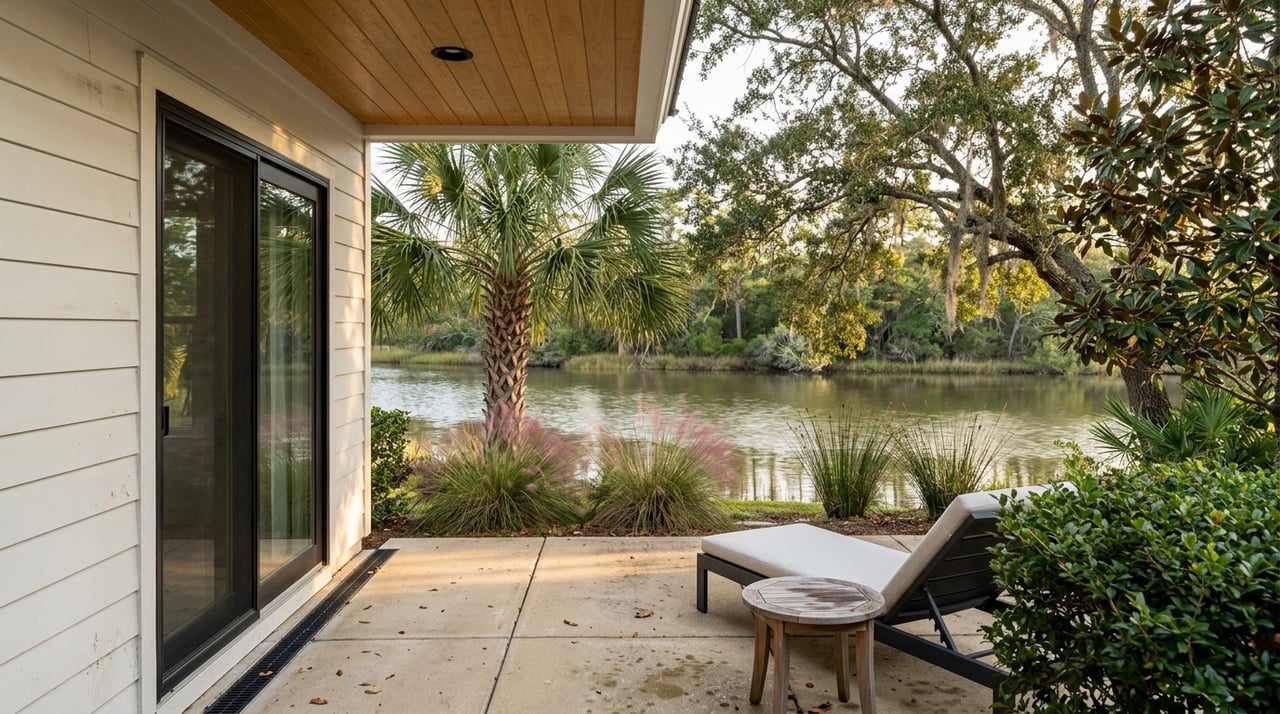
Low HOA fees, beach access, and resale pricing make this Murrells Inlet neighborhood one of the Grand Strand's smartest 55+ values
Get assistance on determining current property value, crafting a competitive offer, writing and negotiating a contract, and much more. Let me guide you through your home-buying journey.

ADDRESS 1297 Professional Dr Ste 201 Myrtle Beach SC 29577